
Soda Ash Guide: Light or Dense?
Selecting the correct industrial raw material is crucial for optimizing your production line, controlling costs, and ensuring final product quality. For sodium carbonate, the decision between light and dense forms is a critical one. While chemically identical, their physical properties are worlds apart, making each type uniquely suited for specific applications.This definitive guide will cut through the confusion, providing a clear framework to help you select the most effective and economical type of soda ash for your operational needs.
Core Differences: Light vs. Dense Soda Ash
At a molecular level, both forms are pure Na₂CO₃. The critical differences lie in their physical structure, which directly impacts handling and performance. The table below summarizes the key distinctions:
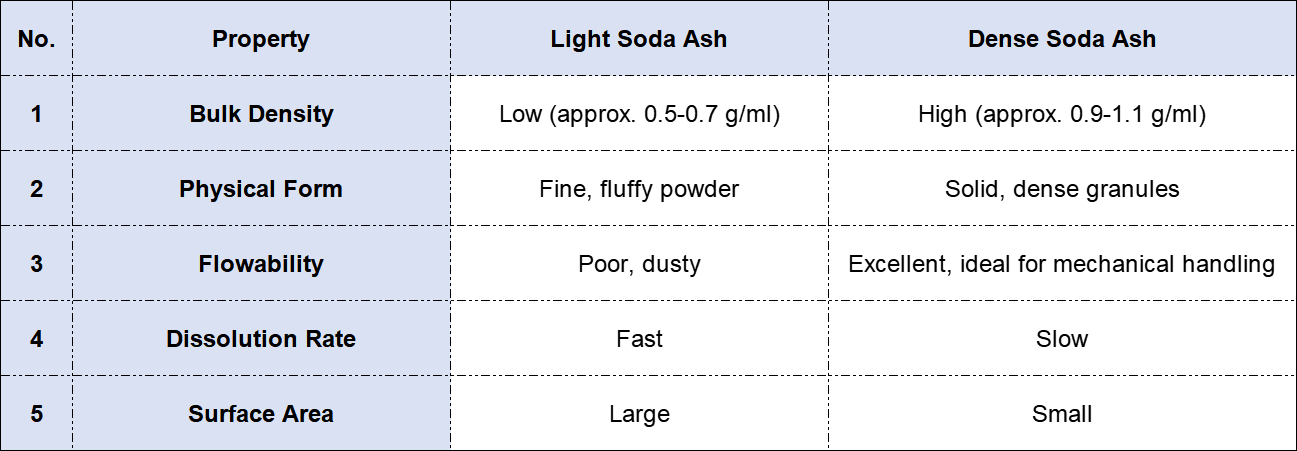
In simple terms: The fine, powdered form of the light variant provides a large surface area, enabling rapid reaction and dissolution. Conversely, the granular, sand-like nature of the dense grade makes it mechanically robust, easy to transport, and low-dust.
Application Guide: Making the Right Choice for Your Industry
Your selection should be driven by your process’s primary requirements. Here’s a breakdown of which type excels in different industrial scenarios.
When to Choose Light Soda Ash
Opt for light sodium carbonate when speed of reaction and rapid integration are your top priorities.
Chemical Synthesis: Essential in processes like sodium bicarbonate (baking soda) manufacturing, where quick and complete dissolution is critical for reaction efficiency.
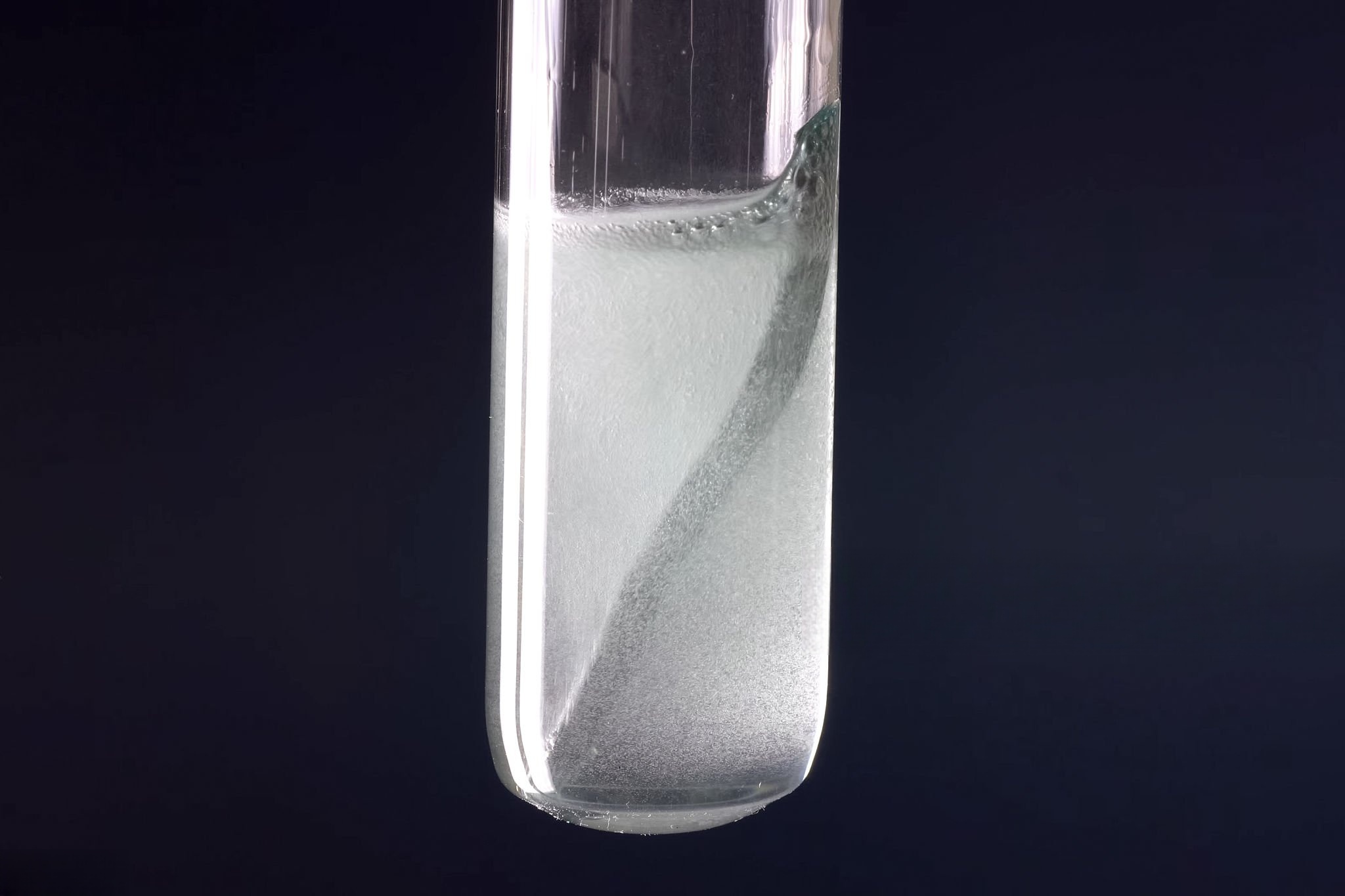
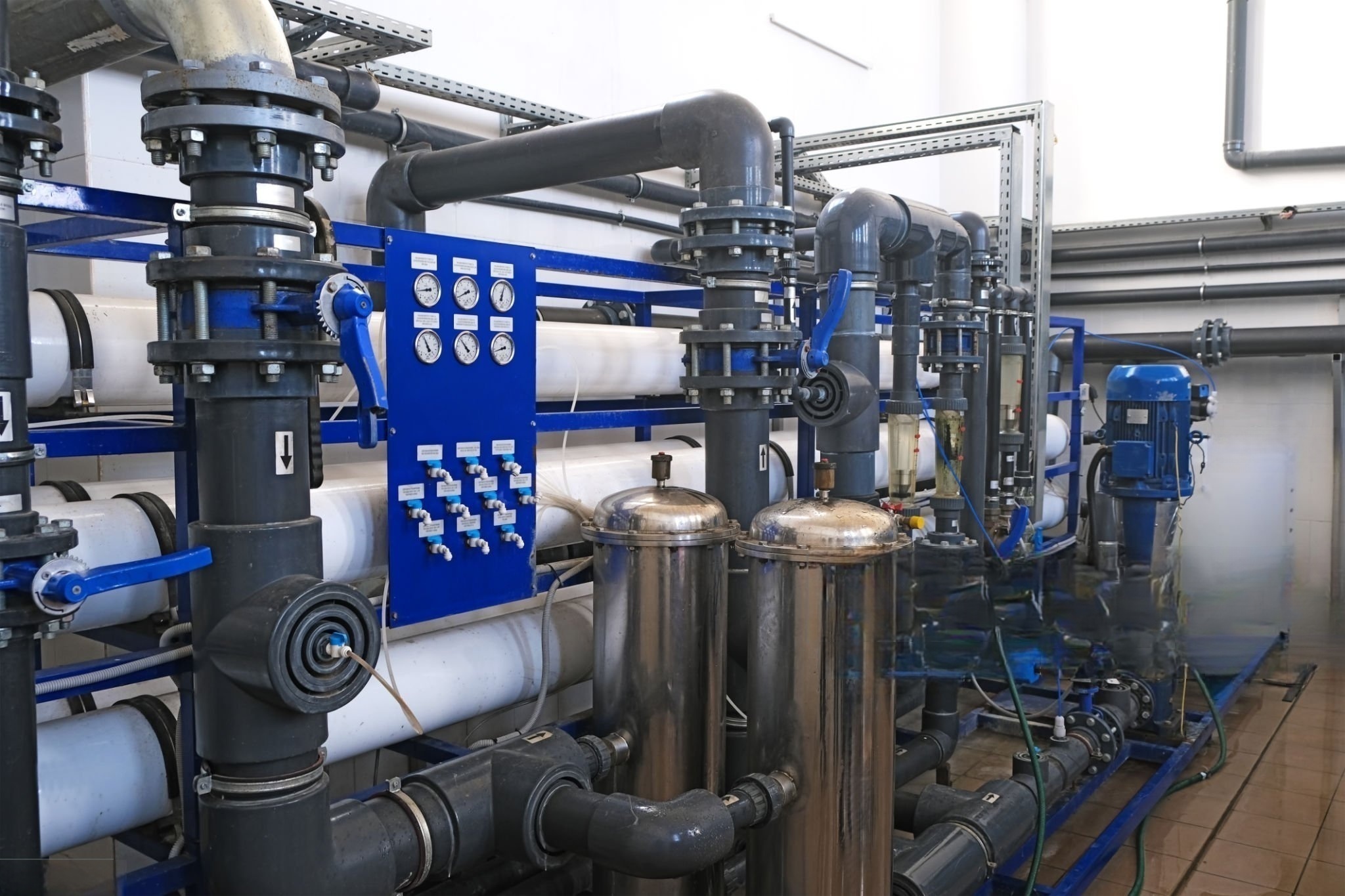
Water Treatment: Acts as an effective pH adjuster that dissolves swiftly in water systems for rapid correction.
Flue Gas Desulfurization: The large surface area of the fine powder ensures maximum contact and efficient reaction with flue gases.
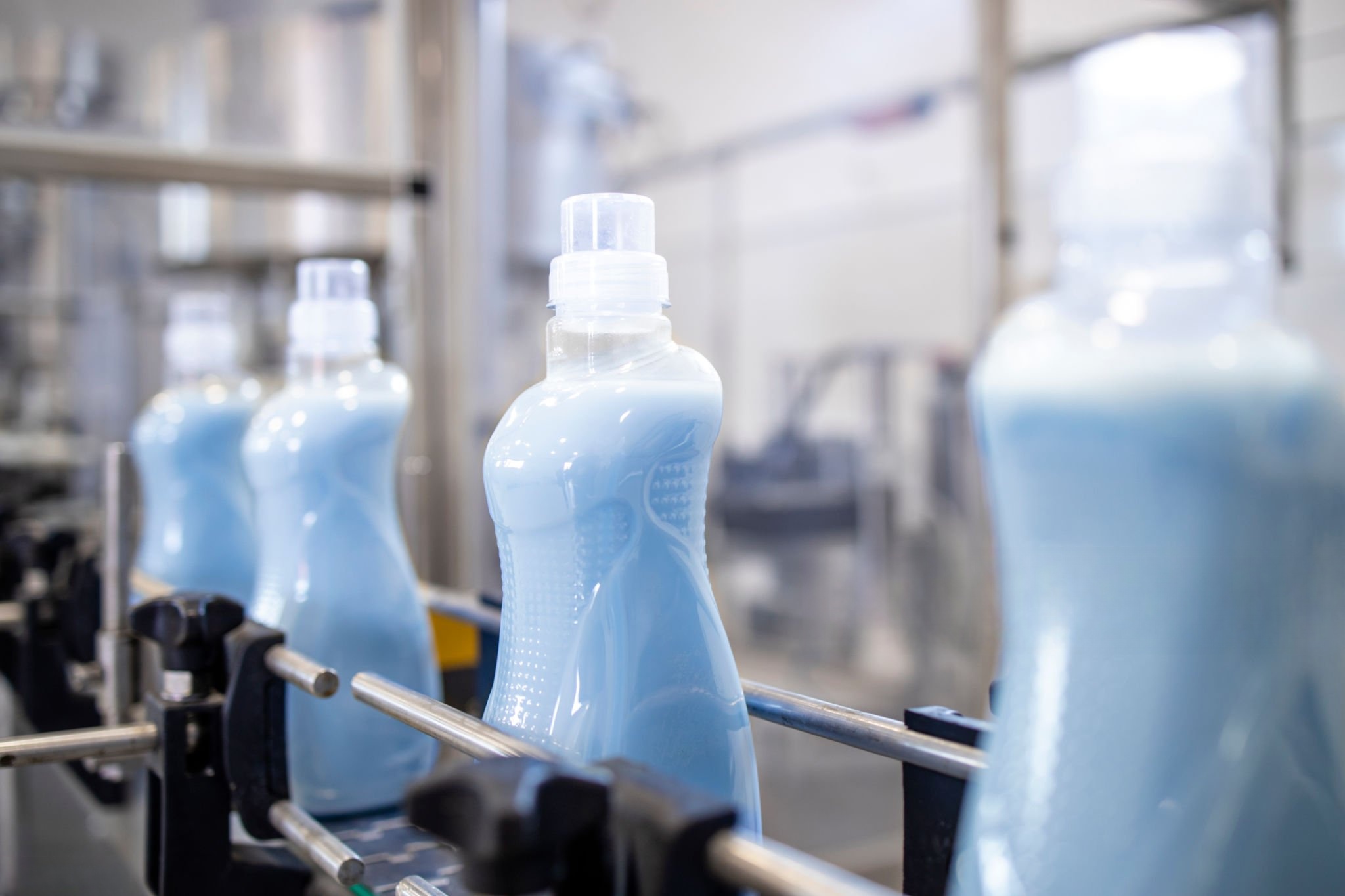
Detergent and Soap Production: Its fluffy consistency allows it to blend seamlessly and uniformly with other powdered ingredients.
When to Choose Dense Soda Ash
Choose dense sodium carbonate when you prioritize handling efficiency, cost-saving in logistics, and dust control.
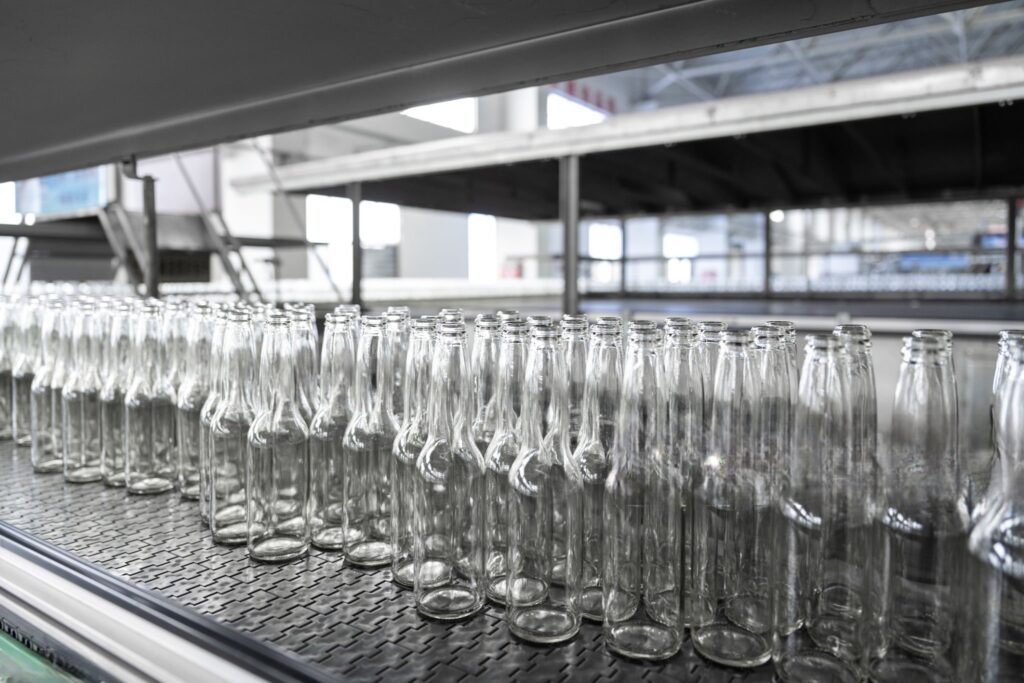
Glass Manufacturing (The Primary Application): This is the dominant use for the dense material. In float glass and container glass production, its high density:
Reduces Furnace Carry-Over: Minimizes material loss from being carried away by furnace gases.
Improves Batch Homogeneity: Ensures more uniform mixing with silica sand and other raw materials.
Saves on Logistics: Occupies about 25-30% less volume for the same weight, leading to substantial savings in shipping and storage costs.
Automated Production Systems: Its excellent flowability prevents clogging and enables precise, reliable dosing in pneumatic conveyor systems.
Stringent Workplace Safety: The low-dust nature significantly improves plant air quality, supporting worker health and safety while reducing cleanup.
Metallurgy: Serves as a stable and reliable flux in high-temperature smelting operations.
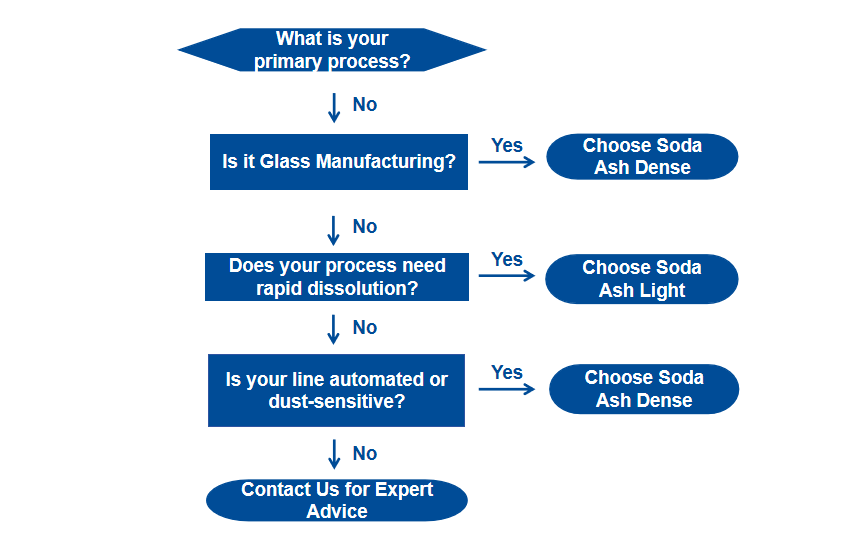
Your Quick Decision Flowchart
Still unsure which form of sodium carbonate is right for you? Follow this simple decision tree:
Beyond the Choice: Why Consistent Quality is Non-Negotiable
Selecting the correct type of this essential alkali is only half the battle. Consistent, high-quality material is the true foundation of successful production. Variations in purity or the presence of impurities like iron can disrupt your entire process and compromise product quality.Partnering with a reliable supplier who guarantees stringent quality control, stable supply chains, and expert technical support is just as important as the initial selection.
Take Action with Confidence
Understanding the distinction between light and dense disodium carbonate empowers you to optimize your operations. If you are ready to determine the perfect fit for your application or would like to test a sample, our technical experts are here to help.
Contact us today to request a free sample and a detailed technical data sheet.