
Strategic Sourcing for Sodium Bicarbonate Resilience
In the intricate web of modern industry, sodium bicarbonate is a linchpin. Far more than a simple chemical, its reliable supply is critical for everything from emissions control and pharmaceutical manufacturing to food processing. Yet, in an era defined by global volatility, securing that supply has become a complex strategic challenge. This guide moves beyond basic procurement, outlining how to transform your sodium bicarbonate sourcing from a tactical cost center into a cornerstone of resilient, competitive operations.
Understanding the Modern Supply Chain Risk Landscape
The first step in building resilience is a clear-eyed view of the vulnerabilities. True risk extends far beyond invoice prices.
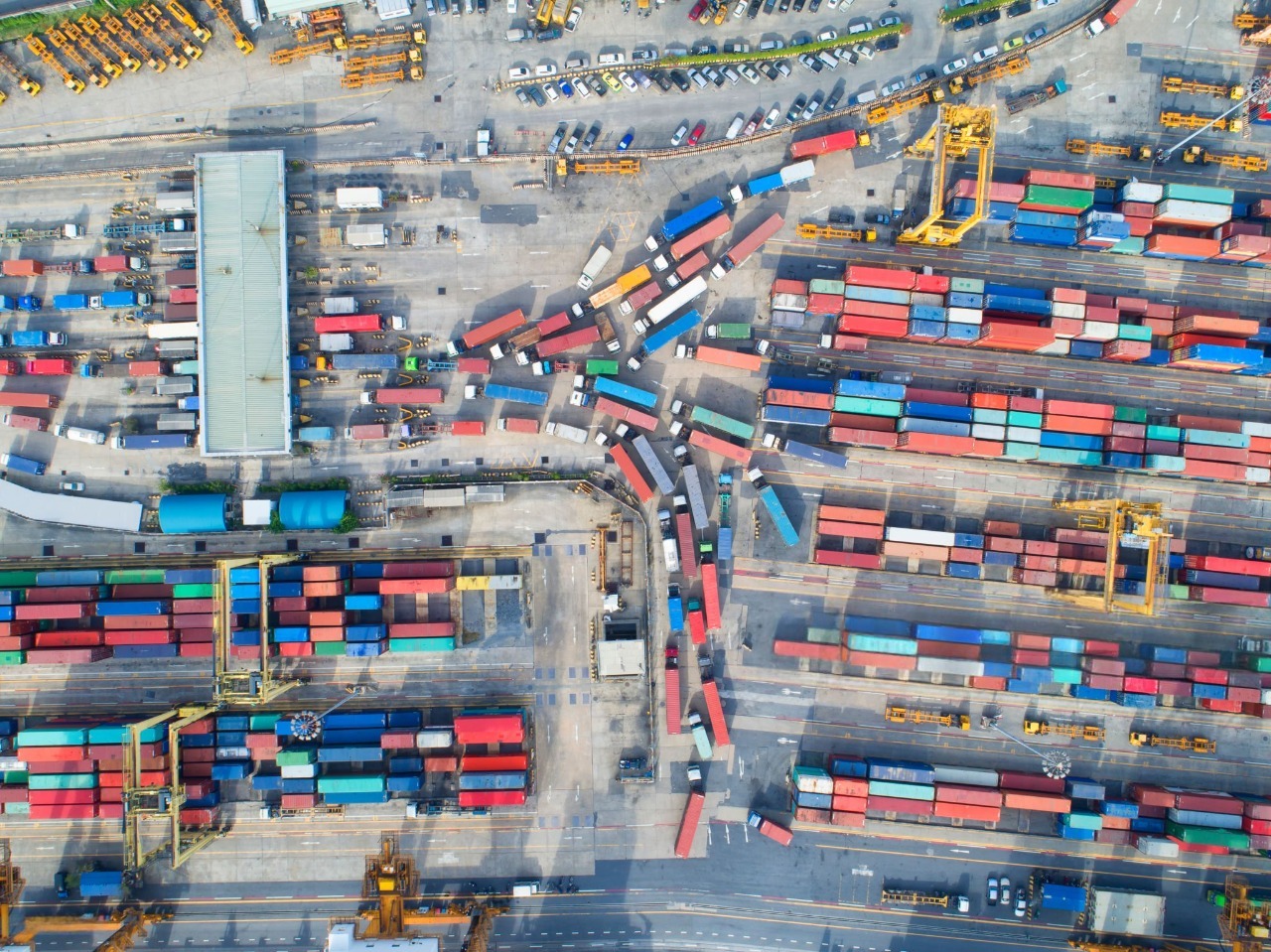
Upstream Instability: Sodium bicarbonate production is tethered to the soda ash market. Fluctuations in energy costs, environmental policies, and capacity within the soda ash industry create direct ripple effects on the availability and cost of your key ingredient.
Geopolitical & Logistics Fragility: A port closure, a new trade regulation, or regional instability can sever a “just-in-time” supply line overnight, transforming efficiency into crisis.
The Peril of Single-Sourcing: Relying on a single supplier or region offers simplicity in good times but eliminates all alternatives when disruptions occur, leaving your production hostage to their fortunes.
The High Cost of Inconsistency: Seemingly minor variations in particle size, purity, or density between batches can disrupt sensitive industrial processes. The resulting downtime, waste, and recalibration often incur costs exponentially higher than the raw material itself.
Four Pillars of a Strategic Sourcing Upgrade
Building a resilient supply chain is a proactive investment in business continuity, not an expense. Here are four strategic areas to fortify your approach.
1. Evaluate for Partnership, Not Just Transaction
Shift your supplier assessment from a basic checklist to a holistic evaluation of a potential strategic partner.



Assess Foundational Resilience: Scrutinize their production footprint. Is it geographically diversified? Do they have control over upstream raw materials? Advanced and adaptable technology is a sign of long-term stability.
Demand a Culture of Quality: Move beyond certificates. Investigate their day-to-day quality management practices, traceability systems, and commitment to continuous improvement. Ask for data on batch consistency.
Seek Technical Empowerment: The best partners act as extensions of your R&D and production teams. Do they have application specialists who can dive deep into your process to co-develop optimization and troubleshooting solutions?
2. Collaborate on “Right-Fit” Specifications
Engage suppliers in a technical dialogue to define the optimal specification for your needs. Often, standard “off-the-shelf” grades are either over-specified (adding unnecessary cost and limiting supply options) or under-specified (risking performance). Through joint testing, identify the “sweet spot” that guarantees your required performance while maximizing supply chain flexibility and potential cost efficiency.


3. Invest in Long-Term, Transparent Relationships
Consider moving from periodic tenders to long-term agreements built on shared data and forecasts. This partnership model unlocks significant value:
Priority Assurance: Guarantees supply allocation during market shortages, a critical advantage over spot buyers.
Efficiency through Joint Planning: Shared forecasting allows both parties to optimize inventory, production schedules, and logistics, reducing waste and cost for all.
A Pathway to Innovation: Establishes a channel for co-developing custom solutions, pre-empting your future needs and keeping you ahead of competitors.


4. Integrate Sustainability into Your Resilience Calculus
A future-proof supply chain is also a responsible one. Environmental, Social, and Governance (ESG) factors are increasingly material to risk and brand reputation. Evaluate suppliers on their tangible sustainability commitments—energy efficiency, carbon footprint, waste management, and ethical labor practices. Partnering with leaders in this space mitigates future regulatory risks and aligns with the values of your end customers.

Conclusion: Your Supply Chain as a Competitive Advantage
In today’s environment, your choice of sodium bicarbonate supplier is a strategic decision that impacts your operational confidence, cost structure, and market agility. It is the choice between a vulnerable transaction and a resilient partnership.
The goal is to find a supplier who acts as a true cornerstone—providing not just a chemical, but reliability, expertise, and a shared commitment to growth. This means looking for partners who offer:
Supply Security: Backed by robust production assets and logistical competence.
Collaborative Innovation: A proven track record of solving complex application challenges.
Forward-Looking Sustainability: A clear, actionable roadmap for environmental stewardship.
By adopting this strategic sourcing mindset, you transform your supply chain from a potential point of failure into a demonstrable source of strength and competitive differentiation.
Ready to fortify your foundation? Contact our team of specialists to discuss how a strategic partnership can secure your sodium bicarbonate supply and support your long-term business objectives.