
The Professional’s Guide to Safe Soda Ash Handling & Storage
For plant managers, safety officers, and procurement specialists, soda ash (sodium carbonate) is the backbone of countless processes, from glass manufacturing to chemical synthesis. While cost and efficiency are always top of mind, they are built upon a critical foundation: Safety. Improper handling and storage of this essential bulk chemical can lead to product degradation, costly production downtime, equipment damage, and most importantly, serious risks to personnel health.
This definitive guide provides a comprehensive framework for your team to manage sodium carbonate safely, efficiently, and in compliance with best practices, protecting both your people and your productivity.
Safe Storage: Preserving Quality and Preventing Hazards
This material is hygroscopic, meaning it actively absorbs moisture from the atmosphere. This is the primary cause of caking, which can clog machinery and render the product difficult to use. Proper storage is your first line of defense.
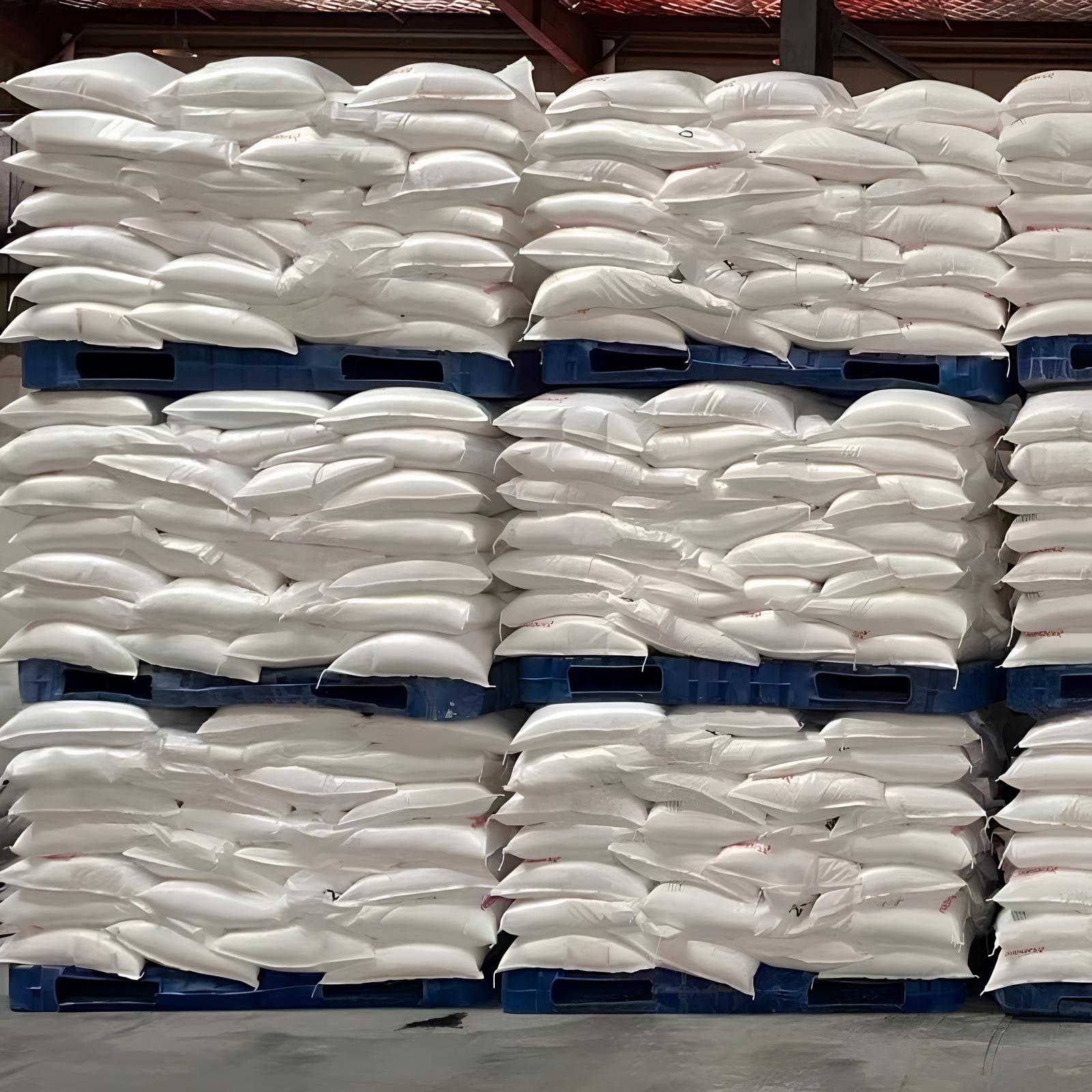
Environmental Control: Always store soda ash in a cool, dry, and well-ventilated indoor warehouse. Strict humidity control is essential to prevent moisture absorption. Keep all containers and bags away from potential water sources, steam lines, or areas prone to condensation.
Stacking and Palletization: Whether you use 25kg bags, super sacks, or big bags, ensure all packaging is placed on sturdy pallets. This prevents direct contact with the floor, which can introduce moisture and contaminate the product. Do not exceed the manufacturer’s recommended stacking height to prevent the lower bags from rupturing under pressure.
Chemical Segregation:Soda ash is a base and can react vigorously with acids and ammonium salts. Store it separately from these and other incompatible chemicals in designated areas to prevent hazardous reactions, heat generation, or the release of toxic gases.
Efficient & Safe Handling: Minimizing Risk and Maximizing Uptime
Standardized operating procedures are non-negotiable for minimizing waste, controlling dust, and ensuring personnel safety during daily operations.
Essential Personal Protective Equipment (PPE)
Respiratory Protection: A properly fitted dust mask (NIOSH N95 or equivalent) is mandatory to prevent inhalation of irritating dust particles.
Eye Protection: Chemical safety goggles are required to shield eyes from accidental dust or splashes, which can cause severe irritation.
Hand and Body Protection: Wear chemical-resistant gloves (e.g., nitrile) and long-sleeved workwear or a lab coat. In high-dust areas, dust-proof overalls or aprons are highly recommended.

Best Practices for Handling and Feeding
Super Sacks/Big Bags: Utilize dedicated big bag unloading stations equipped with dust containment sleeves or tents. This is the most effective way to control dust at the source during discharge.
Bagged Material: Employ bag dump stations with integrated dust collection systems. Always cut bags open gently and in a controlled manner within the station to avoid sudden dust release. Never use knives or tools that could spark.
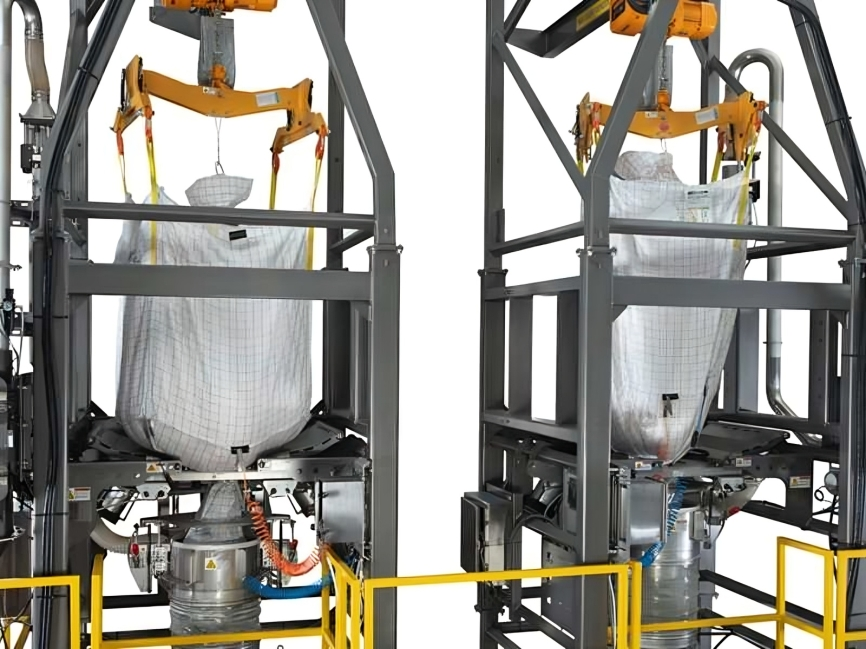
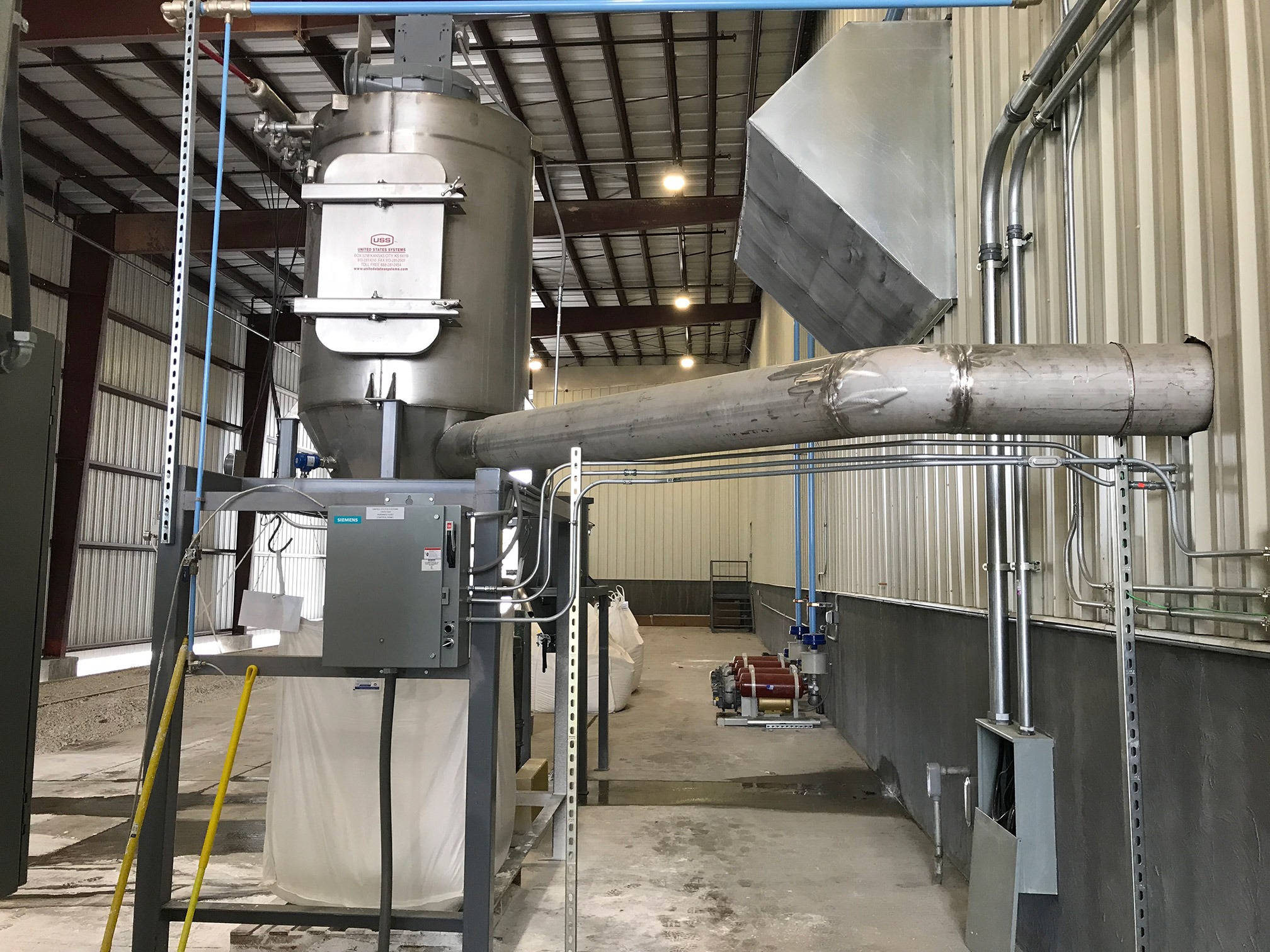
Bulk Systems: For facilities using bulk silos or hoppers, ensure the entire conveying system is well-sealed. Conduct regular inspections for leaks, worn seals, or damaged hoses to maintain system integrity and prevent dust escape.
Troubleshooting Common Issues
Proactive management can prevent most issues, but it’s crucial to be prepared for common challenges.
Issue 1: Product Caking and Hardening
Cause: Exposure to high humidity or damaged, non-moisture-proof packaging.

Prevention: Adhere strictly to the storage guidelines above. Implement a “first-in, first-out” (FIFO) inventory system to ensure older stock is used first.
Solution: For mildly caked product, mechanical breaking tools can be used. However, severely hardened Na₂CO₃ should be evaluated by your quality team, as it may have undergone chemical changes and could compromise your final product.
Issue 2: Controlling Hazardous Dust
The Risks: Airborne dust is more than a housekeeping issue; it poses respiratory irritation risks to workers and, in enclosed spaces, can form explosive concentrations under specific conditions.
Effective Solutions:
Engineering Controls: Install Local Exhaust Ventilation (LEV) systems, such as dust collection hoods, at all critical points—bag dumping, mixer loading, and transfer points.
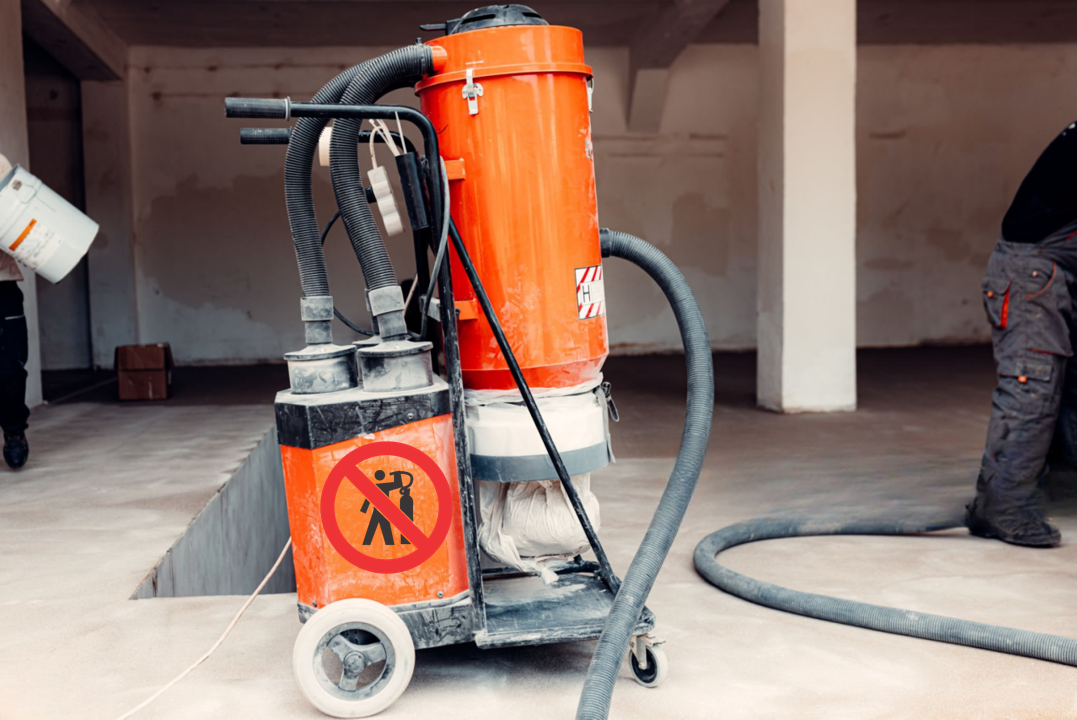
Safe Housekeeping: Use industrial vacuum cleaners certified for combustible dust (Class H) for regular cleaning. Crucially, never use compressed air to clean surfaces, as this creates a massive, hazardous dust cloud.
Issue 3: Emergency Response Procedures
Inhalation: Immediately move the affected person to fresh air. If breathing is difficult, seek medical attention.
Eye Contact: Flush the eyes immediately with copious amounts of clean, lukewarm water for at least 15 minutes, holding the eyelids open. Seek immediate medical care.
Skin Contact: Remove contaminated clothing and thoroughly wash the affected skin with soap and water.
Spillage: Carefully contain the spill. Sweep up the substance using non-sparking tools and place it in a sealed, labeled container for proper disposal. Avoid any action that generates dust.
Our Commitment: Your Partner in Safety and Supply
Choosing a reliable supplier is about more than just consistent quality; it’s about securing a partner who invests in your operational safety.
Clear Documentation: We provide a comprehensive Safety Data Sheet (SDS) with every shipment, giving you the critical information needed to develop and enforce your internal safety protocols.
Expert Packaging Solutions: We offer a range of packaging options, including moisture-resistant liners and durable bag constructions, tailored to your handling equipment and storage environment to reduce risks at the source.
Dedicated Technical Support: Our team is ready to assist. If you face any handling, storage, or application challenges with this essential chemical, our experts are available for consultation to help you find a solution.
Conclusion: Where Safety and Efficiency Converge
Integrating robust safety protocols for soda ash into your daily workflow is not just a regulatory obligation—it is a sound business strategy. It is a direct investment in your most valuable assets: your people and your production continuity. By following this professional guide and leveraging our expertise, you can build a safer, more efficient, and more reliable operation.
Contact our technical team today to discuss your specific handling needs and how we can support your safety goals.